
christianenels
christianenels
The Facility of Peptides: Unlocking Their Role in Health And Medication
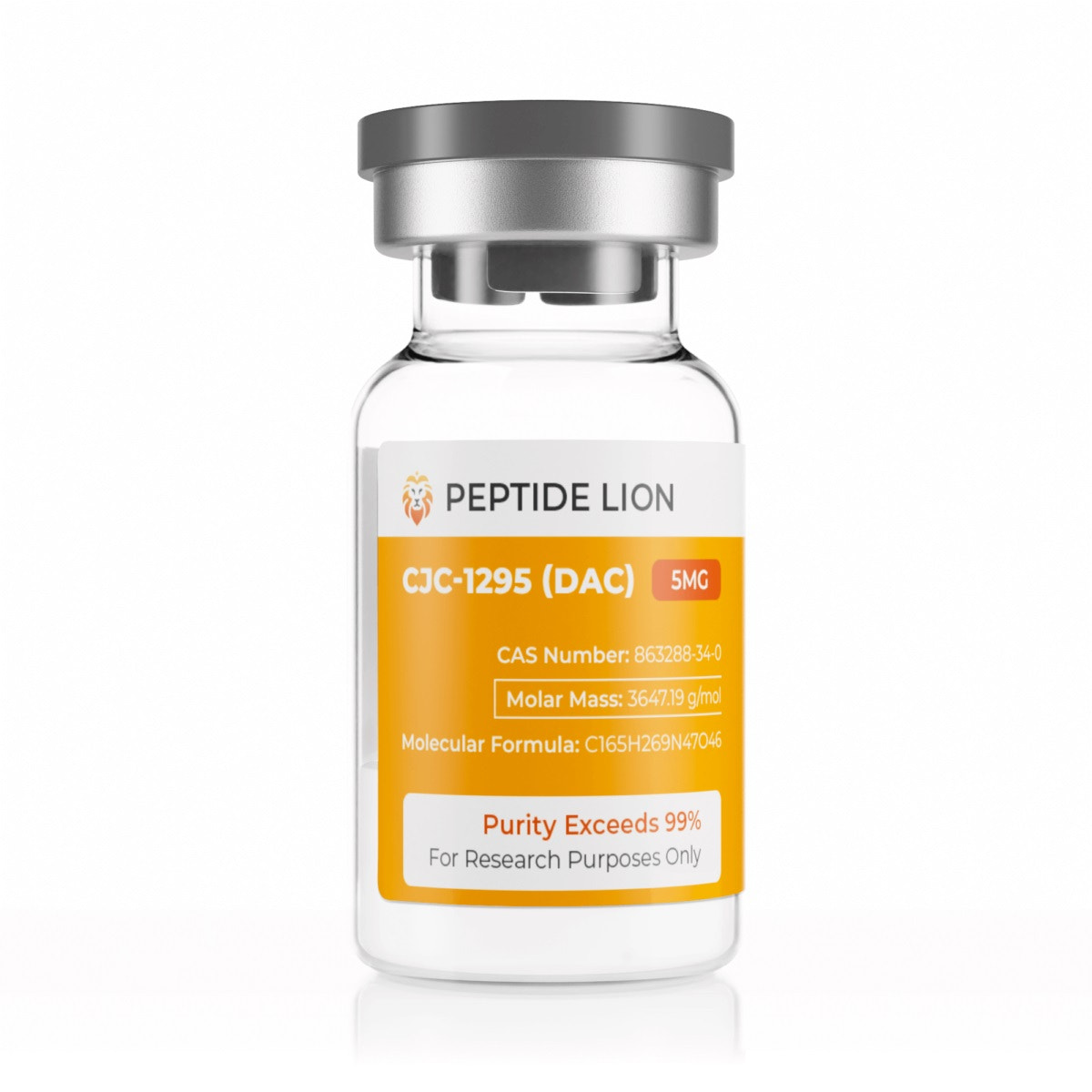
Peptides, quick chains of amino acids linked by peptide bonds, are gaining significant attention in the fields of health, medicine, and nutrition. These biomolecules, that are smaller than proteins, play a crucial role in a wide range of biological functions and have emerged as promising therapeutic agents in recent times. Understanding what peptides do and how they operate can present insight into their potential benefits for human health and their purposes in trendy medication.
The basics of Peptides
Peptides are composed of two or more amino acids, the constructing blocks of proteins. They’ll vary in length from just a couple of amino acids to a number of dozen. The sequence of amino acids in a peptide determines its construction and perform. Naturally occurring peptides are produced within the physique and serve varied roles, such as hormones, neurotransmitters, and signaling molecules. To find more information on Memoriestearooms visit the web site. Artificial peptides, then again, are designed and manufactured for particular therapeutic purposes.
Hormonal Functions
One of the most properly-identified roles of peptides is their function as hormones. Hormones are signaling molecules that regulate physiological processes within the physique. For instance, insulin, a peptide hormone produced by the pancreas, performs an important role in glucose metabolism and power regulation. It helps cells absorb glucose from the bloodstream, thereby decreasing blood sugar levels. One other important peptide hormone is glucagon, which works in opposition to insulin by elevating blood sugar ranges after they drop too low.
Peptides like oxytocin and vasopressin are also essential for social bonding, reproductive features, and water balance within the physique. The intricate balance of these peptide hormones is important for maintaining homeostasis and general health.
Peptides and Immune Response
Peptides are integral to the immune system’s perform. They can act as antigens, which are substances that set off an immune response. When pathogens invade the body, immune cells recognize particular peptide sequences on the surface of these invaders, resulting in the activation of immune responses. This course of is elementary for the event of vaccines, as artificial peptides can be used to imitate the construction of viral or bacterial proteins, stimulating the immune system to acknowledge and combat actual infections.
Furthermore, certain peptides possess antimicrobial properties. As an example, defensins and cathelicidins are naturally occurring peptides that help protect the body from infections by disrupting the membranes of bacteria, viruses, and fungi. Their position in innate immunity highlights the potential of peptides as therapeutic brokers in treating infections and enhancing immune responses.
Peptides in Muscle Development and Restore
Athletes and fitness fanatics have long been interested within the position of peptides in muscle development and restoration. Sure peptides, often called growth hormone-releasing peptides (GHRPs), stimulate the discharge of progress hormone from the pituitary gland. This enhance in growth hormone can promote muscle growth, fats loss, and improved recovery from train.
One properly-known GHRP is Ipamorelin, which has gained recognition among bodybuilders and athletes for its ability to boost muscle mass and energy. Additionally, peptides like BPC-157 and TB-500 have been studied for his or her potential to speed up healing and restore of accidents, making them attractive choices for those seeking to recuperate extra quickly from physical trauma.
Peptides in Pores and skin Well being
The cosmetic business has additionally embraced peptides for their skin advantages. Peptides can penetrate the pores and skin barrier and stimulate collagen production, which is important for maintaining skin elasticity and firmness. As we age, collagen production decreases, leading to wrinkles and sagging pores and skin. Peptides like palmitoyl pentapeptide-4 and acetyl hexapeptide-eight are generally used in anti-aging skincare products to advertise a more youthful appearance.
Along with stimulating collagen synthesis, some peptides have been proven to have anti-inflammatory properties, serving to to soothe irritated pores and skin and cut back redness. This dual motion makes peptides a preferred ingredient in each beauty and dermatological formulations.
Peptides in Weight Administration
Research has also explored the role of peptides in weight administration and obesity remedy. Peptides like GLP-1 (glucagon-like peptide-1) and PYY (peptide YY) are involved in appetite regulation and might enhance emotions of fullness after meals. GLP-1 receptor agonists, equivalent to liraglutide and semaglutide, are already getting used as medications for type 2 diabetes and obesity. These medications mimic the results of GLP-1, leading to lowered appetite and improved metabolic control.
The potential of peptides in weight administration highlights their versatility and significance in addressing fashionable health challenges, corresponding to obesity and associated metabolic disorders.
The way forward for Peptide Analysis
The growing interest in peptides has led to a surge in analysis geared toward exploring their therapeutic applications. Scientists are investigating the use of peptides in most cancers treatment, neurodegenerative diseases, and at the same time as focused drug delivery methods. The specificity of peptides permits for the potential for growing therapies that reduce unwanted side effects whereas maximizing efficacy.
Moreover, advancements in peptide synthesis and modification strategies are paving the way for the creation of novel peptides with enhanced properties. This might result in the event of more effective therapies for a variety of circumstances, from chronic diseases to acute accidents.
Conclusion
Peptides are powerful molecules that play a vital role in quite a few biological processes, from hormone regulation to immune response, muscle development, pores and skin well being, and weight management. Their versatility and potential for therapeutic functions make them a focus of in depth research and growth within the fields of well being and drugs. As our understanding of peptides continues to grow, so too does the promise they hold for bettering human health and addressing various medical challenges. Whether or not through natural manufacturing within the body or synthetic development for specific treatments, peptides are poised to make a major affect on the way forward for healthcare.